Container Restaurants & Kiosks in Kenya 2026: Setup Cost & Guide
The container restaurant and kiosk concept has exploded globally — and Kenya's vibrant food and beverage scene is rapidly embracing it. From a simple container kiosk selling mandazi and chai in a busy estate to a multi-container food court in a trendy Nairobi suburb, container-based F&B businesses offer the perfect combination of low setup cost, high visual impact, and flexible location. This guide covers everything you need to know to set up a container restaurant or kiosk in Kenya.
Need an exact quote? Call us now.
We answer container questions 24/7.
Why Container Restaurants Are a Smart F&B Business Choice
Starting a restaurant or food kiosk in Kenya is expensive when done conventionally. Renting commercial space in Nairobi costs Kshs 30,000–150,000/month, fit-out can cost Kshs 500,000–2,000,000, and you are locked into a lease. Container F&B businesses solve these problems:
Own your premises: Buy a container once and own it forever. No monthly rent, no landlord risk, no lease renewal anxiety.
Lower capital requirement: A fully fitted container kiosk can be set up for Kshs 400,000–700,000 — a fraction of the cost of a conventional restaurant fit-out.
Move if the location doesn't work: If your first site doesn't generate the foot traffic you expected, you can move the container to a better location. You cannot do this with a brick restaurant.
Rapid setup: From order to open in 2–4 weeks — far faster than conventional construction or fit-out of leased commercial space.
Brand identity through design: A well-designed container restaurant is eye-catching and highly shareable on social media — effectively free marketing.
Container Restaurant and Kiosk Types
Single Container Kiosk (20ft): The entry-level F&B unit. Serves mandazi, tea, coffee, snacks, or a single food category. Counter facing outward, small kitchen at the back. Kshs 400,000–600,000.
Single Container Restaurant (40ft): A full restaurant in one container — kitchen at one end, service counter/bar in the middle, small seating area at the other end. Seats 8–12 people inside. Add an outdoor seating terrace under a canopy for more covers. Kshs 600,000–1,000,000.
Two-Container Restaurant: One container as the kitchen, one as the dining room. Provides a full commercial kitchen (sink, gas range, extraction, fryer) and a proper dining area for 20–30 covers. Kshs 1,000,000–1,800,000.
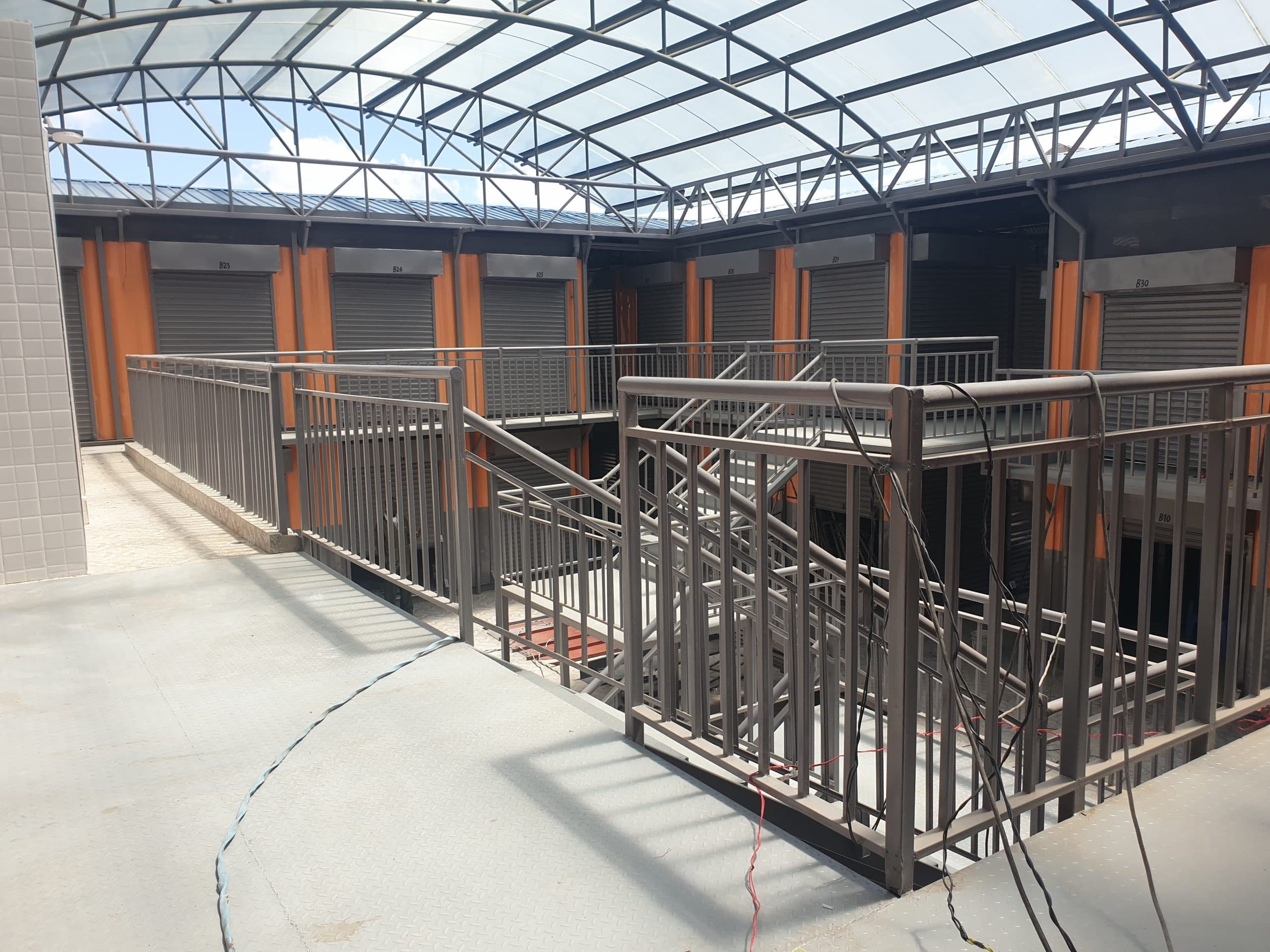
Container Food Court (4–6 containers): Multiple containers arranged in a U or courtyard layout, each operated by a different vendor. A central covered seating area serves all stalls. Very popular in mixed-use developments and busy commercial areas. Investment: Kshs 2,500,000–5,000,000 for the developer.
Bar and Entertainment Container: A 40ft container fitted as a bar — refrigerated bottle storage, beer tap fittings, LED strip lighting, music system, opening side wall with a serving bar. Popular in entertainment areas.
Kitchen Fit-Out and LPG Safety
A commercial kitchen in a container requires careful planning to meet safety standards and ensure efficient operation:
Ventilation and extraction: This is non-negotiable. Cooking generates heat, grease-laden vapour, and combustion products. We install a commercial kitchen extract hood over the cooking area, connected to a roof-mounted fan that discharges outside the container. The extraction system must be sized for the heat load — typically 1,500–3,000 m³/hour for a standard container kitchen.
LPG gas installation: We design and install LPG systems with external gas bottle cage (not inside the container), flexible hose connections to cooking equipment, and a manual isolation valve accessible from outside. We use KEBS-approved flexible hoses and pressure regulators.
Gas detection: We fit a gas leak detector in the cooking area — mandatory for LPG installations under Kenya's gas safety regulations. The detector triggers an audible alarm and an automatic gas shutoff valve.
Fire suppression: Commercial kitchen fires are fast and dangerous. We install an ANSEL or similar wet chemical fire suppression system over the cooking range — automatically triggered if temperatures exceed 260°C. A handheld ABC extinguisher is also included.
Stainless steel surfaces: All work surfaces, splashbacks, and the cooking area floor are clad in grade 304 stainless steel — the standard for commercial kitchen hygiene.
Exterior Cladding and Brand Identity
A container restaurant is a marketing asset as much as a business premises. The exterior design matters enormously for attracting customers and building brand recognition:
Corrugated steel painted and branded: The most affordable option. High-quality exterior epoxy paint in brand colours, with vinyl-wrapped signage panels. Clean, modern look. Cost: Kshs 30,000–60,000 extra.
Timber cladding: Treated hardwood or composite timber boards applied over the container exterior give a warm, natural look. Very popular for coffee shops and restaurants targeting an upmarket clientele. Cost: Kshs 120,000–200,000.
Fibre cement cladding: Hardie Plank or similar fibre cement boards give a contemporary, urban look. Very durable and requires minimal maintenance. Cost: Kshs 150,000–250,000.
Upcycled industrial aesthetic: Leave the container looking like a container — exposed corrugated steel, raw edges, and industrial fixtures. Paint in a striking single colour. This aesthetic is very popular on social media and works well for trendy cafés and bars.
Lighting for evening impact: LED strip lights under the canopy, neon signs, and fairy lights transform a container restaurant at night. A well-lit container kiosk is visible from 200m+ — a significant marketing advantage.
County Licensing and Compliance
Running a food business in Kenya requires compliance with several county and national regulations:
County health permit (Food Establishment License): Required from your county health department. An inspector visits to check food storage, hygiene, handwashing facilities, and waste management. Annual renewal. Cost: Kshs 3,000–15,000 depending on county.
Single Business Permit (SBP): Required from the county government for any business premises. Apply annually. Cost: Kshs 5,000–30,000 depending on business type and location.
NEMA: For a single container F&B unit, no environmental impact assessment is required. Ensure you have a waste management plan (food waste, grease trap, packaging waste).
Kenya Bureau of Standards (KEBS): If you are manufacturing and selling packaged food products (sauces, juices, baked goods), you will need KEBS product certification.
LPG compliance: Your LPG installation must be certified by a licensed gas engineer. We provide the installation certificate with every commercial kitchen we fit.
Fire certificate: Some counties require a fire safety certificate from the county fire department. Our containers include fire suppression systems and fire extinguishers to support this application.
Success Stories and Business Ideas
Container F&B businesses are thriving across Kenya:
Upmarket coffee kiosk: A 20ft container coffee kiosk in a Nairobi business park, fitted with an espresso machine, display fridge, and timber cladding exterior. Investment: Kshs 600,000. Daily revenue: Kshs 15,000–25,000.
Nyama choma and roast maize: A 40ft container fitted as a charcoal grill restaurant on a busy Nairobi-Thika road junction. Investment: Kshs 800,000 including outdoor seating canopy. Serving 100+ covers on weekend evenings.
Ice cream and smoothie bar: A 20ft container with refrigerated display, blending equipment, and a serving window. Investment: Kshs 500,000. Popular in malls and near schools.
Container food court: A developer in Eldoret arranged 6 containers in a courtyard layout with a central covered eating area. 6 vendors pay Kshs 15,000/month each = Kshs 90,000/month gross rental. Investment recovered in under 24 months.
Container Restaurant & Kiosk Prices in Kenya (2026)
Prices include basic kitchen fit-out, ventilation, electrical, and exterior paint. LPG installation, signage, and branding quoted separately. Call for your specific configuration.
💡 These are indicative ranges. Call us for your exact quote: 0715 557 559
Frequently Asked Questions
Do container restaurants need a county health permit in Kenya?+
Yes. Any food establishment — including container-based ones — requires an annual Food Establishment License from the county health department. An inspector checks hygiene, waste management, food storage, and handwashing facilities. We design our containers to pass this inspection from day one.
Is LPG safe to use in a container restaurant?+
Yes, when installed correctly. We design LPG systems with the gas bottles stored outside the container in a ventilated cage, proper flexible connectors, an automatic shutoff valve triggered by a gas detector, and a commercial kitchen fire suppression system. All installations come with a compliance certificate.
How much can I earn from a container kiosk in Kenya?+
A well-located 20ft food kiosk in a busy estate or market can earn Kshs 8,000–20,000/day in revenue. After food costs (30–40%), the net income can be Kshs 4,000–12,000/day. Payback on a Kshs 500,000 investment is typically 3–8 months.
Can a container restaurant be moved to a new location?+
Yes. This is one of the key advantages. If your first location doesn't work, the container can be loaded onto a flatbed and moved. A single container relocation within Nairobi costs Kshs 20,000–40,000. This is impossible with a brick restaurant.
How do I get a good-looking exterior for my container restaurant?+
There are several options from affordable to premium: bold exterior paint with vinyl signage (Kshs 30,000–60,000), timber cladding for a warm look (Kshs 120,000–200,000), fibre cement boards for a contemporary look (Kshs 150,000–250,000), or the raw industrial aesthetic — just paint it a striking colour. The key is good lighting at night.
What ventilation is needed for a container kitchen?+
A commercial kitchen in a container needs a mechanical extract hood above the cooking equipment, connected to a roof fan. The extract rate should be 1,500–3,000 m³/hour. Without proper extraction, the container becomes dangerously hot and greasy vapour builds up. We always include this in our kitchen fit-outs.
Can I start a container food court business in Kenya?+
Absolutely. A container food court — 4–8 containers arranged around a central seating area — is a proven business model. You invest in the containers and infrastructure and rent individual units to food vendors at Kshs 10,000–20,000/month each. With 6 units at Kshs 15,000/month, you earn Kshs 90,000/month passive income.
Ready to Buy?
Call or WhatsApp us for pricing on any container product in Kenya.
Related Guides
Container Guides & Insights
Expert advice on prices, buying, and building with shipping containers across Kenya.
 24 May 2025
How Much is the Cost of Used Shipping Container in Kenya
Are you thinking about buying a used shipping container in Kenya? It’s a smart move for many needs, from storage to building unique spaces. But the first question on everyone’s mind is: “How much will it cost?” Read on to find out.
Read Article 24 May 2025
How Much is the Price for a 40ft Shipping Container in Kenya?
Are you looking to buy a 40ft shipping container in Kenya? This is a popular choice for many projects, from big storage needs to building spacious container homes or offices. One of the first questions people ask is about the price.
Read Article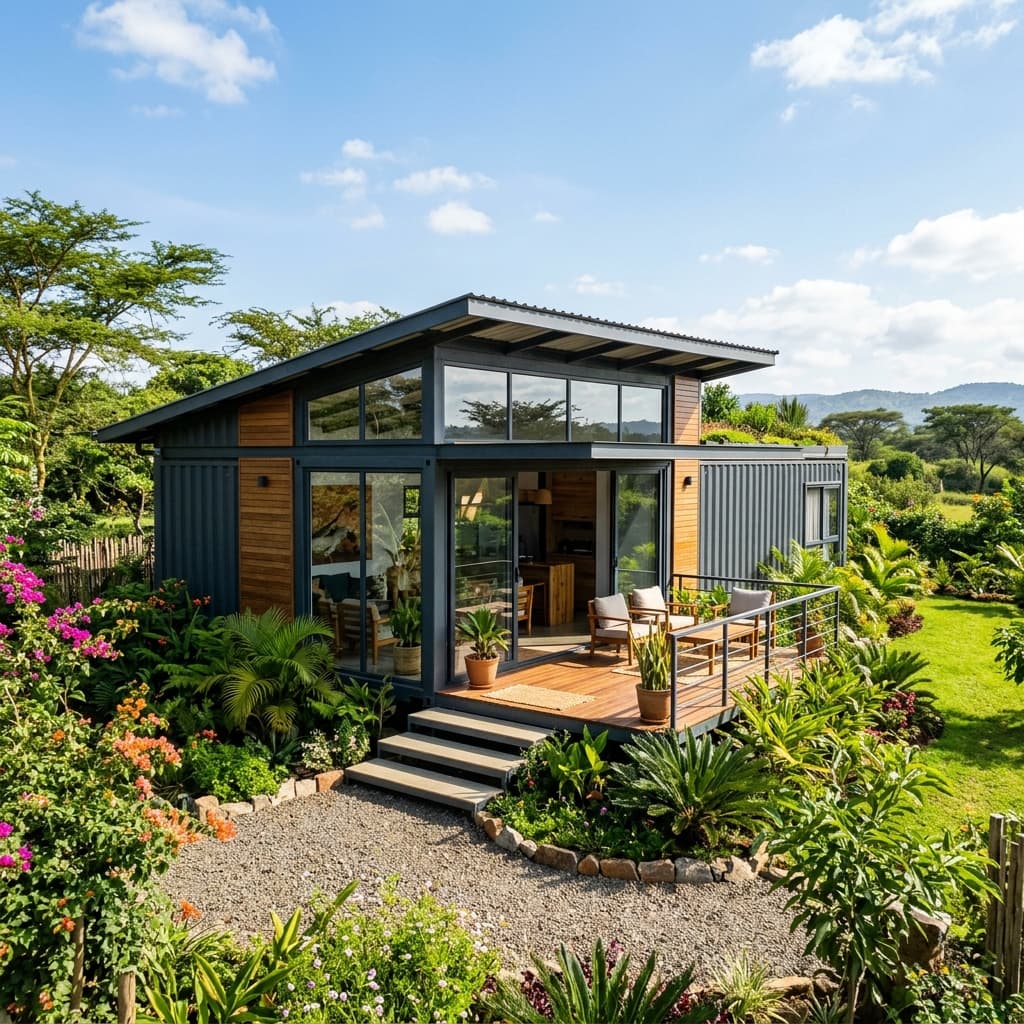 2 June 2025
How much does a container home cost in Kenya?
Dreaming of a unique, affordable, and stylish home in Kenya? A container home could be your answer! Shipping containers are strong, eco-friendly, and can be transformed into beautiful living spaces. But how much does a container home cost in Kenya?
Read Article