
Container Home Maintenance Guide Kenya: Annual Checklist 2026
A shipping container is one of the most durable building materials in the world — but it is not maintenance-free. Steel needs attention, especially in Kenya's varied climate zones from the coast's salt air to the highlands' persistent moisture. This guide tells you exactly what to check, how often to check it, and what to do when you find an issue, so your container home stays in excellent condition for 30, 40, or 50+ years.
Need an exact quote? Call us now.
We answer container questions 24/7.
Understanding What Causes Container Deterioration
Container homes fail in two ways — and both are preventable:
Surface rust (cosmetic, easily fixed): Small patches of rust on the exterior paint surface are normal after 3–5 years of outdoor exposure in Kenya. Paint protects the Corten steel from oxygen and moisture. Once the paint layer breaks down, rust begins on the surface. If caught early (less than 1mm of pitting), surface rust is simple and cheap to treat: grind back, apply rust converter, prime and repaint.
Deep rust (structural, serious): If surface rust is ignored for years, corrosion penetrates through the steel panel. This is rare in container homes on land (it takes decades at sea exposure for this to happen) but possible in coastal areas, areas with persistent standing water against the container walls, or on containers with very thin walls due to previous damage. Deep rust requires steel plate replacement or major remediation. Cost: Kshs 20,000–80,000 per affected panel.
Moisture ingress: Water getting inside the container — through roof seams, window seal failures, or floor penetrations — causes interior wall lining damage, mould, and long-term rust from the inside out. Annual inspection of all seals and joints is the key preventive measure.
The good news: A well-maintained container home in Kenya's highland climate (Nairobi and surrounding areas) with proper paint and drainage should be completely rust-free for 15–25 years. Even after that, repairs are minor and affordable.
Rust Prevention: The Annual Inspection Routine
Once a year (ideally before the long rains in March–May), walk around the entire exterior of your container home and check:
Roof: - Look for any dents where water can pool — pooling water is the primary cause of roof rust - Check the silicone or mastic seal around any roof penetrations (water heater vents, solar cable conduits, ventilation grilles) - Inspect the junction between the container roof and any added shade/lean-to roof — this is where water most commonly finds its way in
Walls: - Check all paint surfaces for bubbling, peeling, or rust staining. Pay special attention to lower panels (closer to the ground) and corner posts (areas of higher mechanical wear) - Check window frames for gaps between the aluminium frame and the container steel — reseal with exterior-grade silicone if needed - Look at any external cladding panels — check fixings are tight and no panels are lifting (which would allow water behind them)
Floor and base: - Check that ground clearance is maintained — no soil, grass, or debris has built up against the container steel lower panels. The base of the container should have at least 150mm clearance above ground level - Check the foundation piers or beam — no cracking or settlement - Look under the container (if accessible) for any signs of water ponding or vegetation growing against the floor
Door and window seals: - Open and close all doors and windows. Check rubber seals for cracking or compression failure. Replacement rubber seals are available at any hardware shop (Kshs 200–500 per metre)
Exterior Painting: When and How
The exterior paint on your container home is the most important protective layer it has. A well-maintained paint coat can keep a container in pristine condition for decades.
Frequency: - Full repaint: Every 5–7 years under normal Kenyan highland conditions. Every 3–5 years in coastal environments (Mombasa, Malindi) where salt air accelerates paint degradation - Spot repairs: As needed when you spot paint failure during annual inspections. Do not wait for annual inspection if you notice active rust — act immediately
The right paint: Use a two-coat system: 1. Primer coat: Rust-inhibiting primer (zinc phosphate or epoxy primer) — this is the most important layer. Kshs 1,200–2,000 per litre; covers ~12 sqm per litre 2. Topcoat: Exterior alkyd enamel or polyurethane topcoat for UV resistance and durability. Kshs 1,500–2,800 per litre depending on brand
Preparation is everything: Before applying new paint, surface preparation must be thorough: - Sand or grind any rusty areas back to bare metal - Apply rust converter (Kshs 300–600 per 500ml) to any areas with surface rust - Clean the entire surface of dust, oil, and chalky old paint - Do not paint over loose paint — it will peel again within months
Total repaint cost for a single 40ft container home exterior: Kshs 15,000–35,000 including materials and labour. A bedsitter (20ft) costs Kshs 10,000–20,000.
Roof and Drainage Maintenance
Water management is critical for container home longevity. Most moisture-related problems start at the roof.
Gutters and downpipes: If your container home has gutters (recommended), clear them of debris (leaves, bird nests) at the start of every rain season. Blocked gutters cause water to overflow and run down the container walls, accelerating corrosion.
Roof drainage gradient: Shipping containers have a naturally crowned roof (slightly curved side-to-side) that encourages water to run off. However, any debris (leaves, dust, bird droppings) can dam this drainage and cause pooling. Sweep the roof clear after the dry season.
Flat roof additions: If a shade structure or lean-to roof has been added above the container with no slope, water pooling and seeping through fixings is a common problem. Ensure any added roof has at least a 3° gradient toward a downpipe.
Silicone joint maintenance: All penetrations through the container shell (conduit entries, pipe work, ventilation grilles) should be sealed with exterior-grade silicone. Check these annually — silicone lasts 5–10 years and then cracks. Replacement silicone: Kshs 400–800 per tube.
Interior Maintenance: Floors, Walls, and Fittings
Container timber floors (the original wooden floor in the container): Container floors are made from Kwila or Bamboo hardwood boards, typically 28mm thick. They are very durable but have been treated with pesticide (Methyl Bromide) during their shipping life.
For container homes, we recommend sealing the original container floor with two coats of penetrating floor sealer before laying your finished floor. This seals the wood and any residual treatment compounds. Apply new finish floor (vinyl, ceramic tile, or new hardwood boards) over the top.
Ongoing floor care: - Vinyl plank floors: Regular sweeping and mopping with a pH-neutral cleaner. Avoid harsh scrubbing or solvent cleaners that degrade the wear layer - Ceramic or porcelain tile: Standard tile cleaning routine. Check grout lines annually for cracks — regrout if needed to prevent water ingress to the floor structure below - Timber floors: Sweep daily. Resand and re-oil every 5–7 years depending on traffic
Interior walls: Container home interior walls are typically faced with plywood or fibre cement board. Minor cracking or dents are repaired with standard interior filler and repainted.
Plumbing checks: - Check under the kitchen and bathroom sinks annually for drips or slow leaks - Check the toilet flush mechanism — running cisterns waste significant water and increase water bills - Flush the geyser/water heater annually if you have a stored hot water system (prevents sediment build-up)
Electrical checks: - Have a qualified electrician check your consumer unit, earthing, and main connections every 3–5 years - Check that the earth bonding to the container steel shell is intact (important for safety in steel-bodied structures)
Annual Maintenance Checklist
Print or save this checklist and work through it once a year, ideally in February (before the long rains):
Exterior — Structural: - Inspect entire roof for dents, rust, pooling water, and seal failures - Inspect all four walls — look for rust bubbling, peeling paint, or impact damage - Check all roof/wall penetration seals (silicone condition) - Clear gutters and check downpipe drainage - Check ground clearance at base of all walls (150mm minimum) - Inspect foundation piers or beam for cracking or settlement
Exterior — Windows and Doors: - Check all window frame seals (exterior silicone bead) - Test all window opening and closing mechanisms - Check and replace worn rubber seals on container doors and windows - Inspect security door hinges and locks — oil if needed
Interior: - Check plumbing under sinks and at the bathroom floor waste - Test all electrical sockets and light switches - Check consumer unit — no tripped breakers, no signs of burning smell - Check earth bonding connection to container steel - Inspect floor for lifted tiles, loose vinyl, or signs of moisture below - Check interior walls for mould (a sign of insulation or ventilation failure)
Remedial actions: - Touch up any paint failures immediately (do not wait until annual repaint) - Replace any cracked silicone seals - Clear any vegetation or soil build-up against the container base
Frequently Asked Questions
How often should I repaint a container home in Kenya?+
Every 5–7 years in highland Kenya. Every 3–5 years in coastal areas where salt air accelerates paint degradation. Use a rust-inhibiting primer followed by a UV-resistant exterior topcoat for the best results.
How do I prevent rust on my container home?+
Keep the paint coat intact (annual inspections and spot repairs), maintain good drainage so water does not pool against the walls or roof, ensure ground clearance at the base, and keep all penetration seals (silicone) in good condition. Rust caught early is cheap and easy to fix.
How long does a container home last with good maintenance?+
30–50 years is realistic for a well-maintained container home in Kenya. The Corten steel used in shipping containers is designed for 25+ years at sea (one of the harshest environments on earth). On land with maintenance, significantly longer.
Can I do container home maintenance myself?+
Most routine maintenance (clearing gutters, touching up paint, replacing door seals) is DIY-friendly. For electrical checks, plumbing repairs, or structural rust remediation, use qualified tradespeople.
What is the biggest maintenance mistake container home owners make?+
Ignoring surface rust. Small rust spots that take 30 minutes and Kshs 500 to fix become large structural repairs costing Kshs 20,000–80,000 if left for years. The annual inspection routine exists to catch problems before they become expensive.
Is there maintenance specific to coastal Kenya container homes?+
Yes. Salt air in coastal areas accelerates paint degradation and rust. Use marine-grade paint (rather than standard alkyd enamel) for coastal container homes, inspect every 2 years rather than annually, and repaint every 3–5 years. Check all metal fittings (hinges, locks) for salt corrosion.
Ready to Buy?
Call or WhatsApp us for pricing on any container product in Kenya.
Related Guides
Container Guides & Insights
Expert advice on prices, buying, and building with shipping containers across Kenya.
 24 May 2025
How Much is the Cost of Used Shipping Container in Kenya
Are you thinking about buying a used shipping container in Kenya? It’s a smart move for many needs, from storage to building unique spaces. But the first question on everyone’s mind is: “How much will it cost?” Read on to find out.
Read Article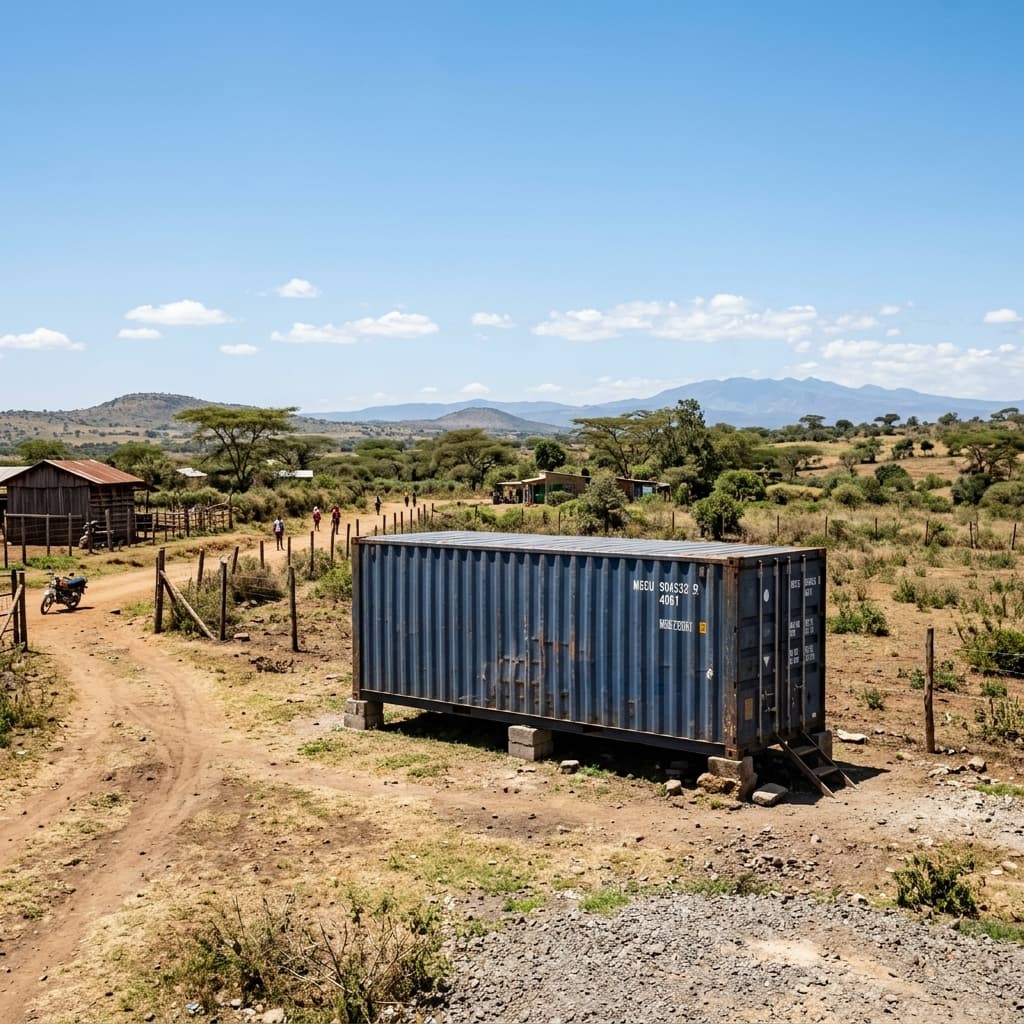 24 May 2025
How Much is the Price for a 40ft Shipping Container in Kenya?
Are you looking to buy a 40ft shipping container in Kenya? This is a popular choice for many projects, from big storage needs to building spacious container homes or offices. One of the first questions people ask is about the price.
Read Article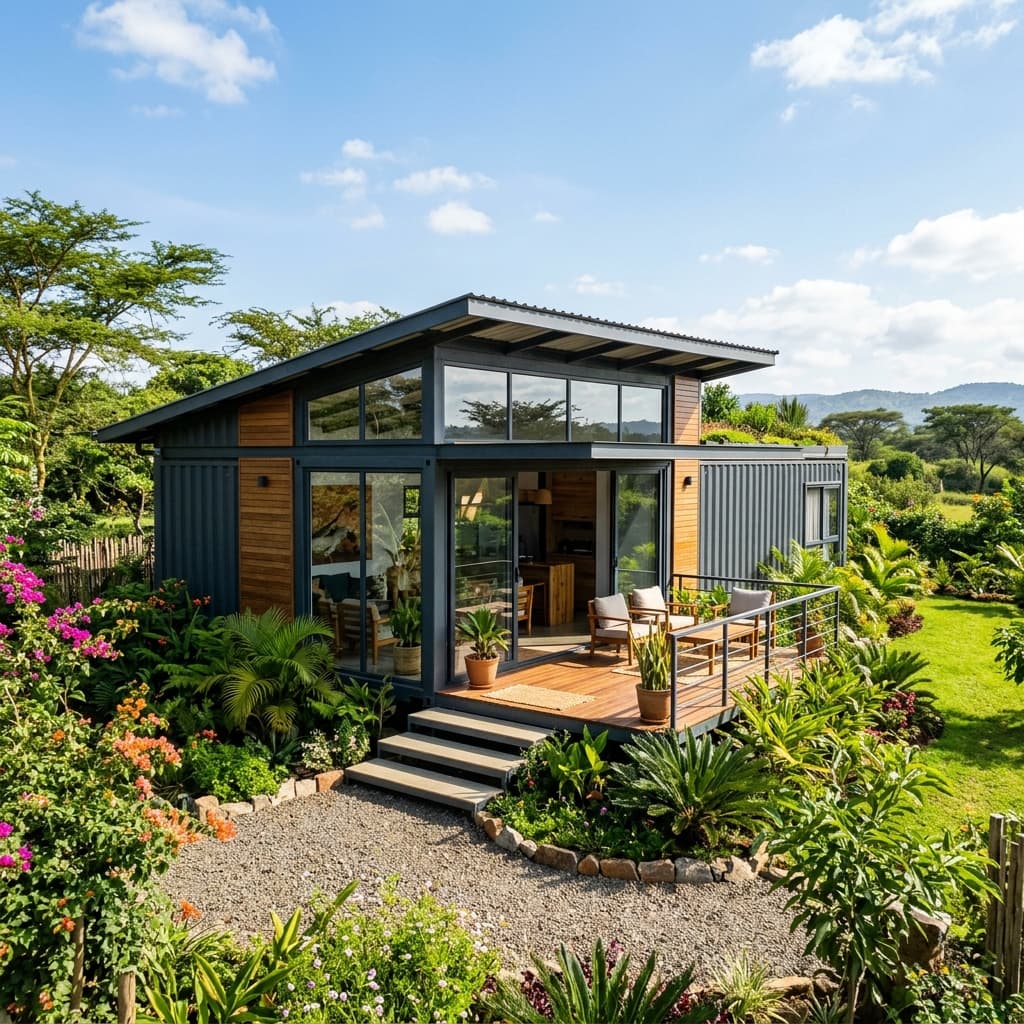 2 June 2025
How much does a container home cost in Kenya?
Dreaming of a unique, affordable, and stylish home in Kenya? A container home could be your answer! Shipping containers are strong, eco-friendly, and can be transformed into beautiful living spaces. But how much does a container home cost in Kenya?
Read Article