Container Buying Guide in Kenya (2026)
Buying a shipping container in Kenya is a significant investment — whether for storage, a business, or a home. This guide covers everything you need to know to make a confident, informed purchase.
Need an exact quote? Call us now.
We answer container questions 24/7.
Container Sizes Available in Kenya
The two standard sizes sold in Kenya are the 20ft and 40ft containers.
A 20ft container is 6 metres long and provides approximately 14 square metres of floor space. It's ideal for storage, small shops, offices, and 1-bedroom homes. It's also easier and cheaper to transport.
A 40ft container is 12 metres long and gives approximately 28 square metres. It's better value per square metre and suits larger projects — 2–3 bedroom homes, multi-door stalls, large offices, and warehouses.
You may also encounter 10ft containers — these are cut from 20ft units and are useful in tight spaces, but cost more per square metre.
For any project where people will spend time (homes, offices, schools), we recommend the High Cube variant — it's 30cm taller (2.9m vs 2.6m), giving much better headroom after insulation and ceiling installation.
Container Condition Grades Explained
Not all used containers are equal. Understanding condition grades helps you choose the right container for your needs and budget.
As-Is: The container is sold in its current state, without any guarantee. These are cheapest but may have dents, rust, or door issues. Only buy As-Is if you can inspect carefully and plan to modify the container anyway.
Wind and Watertight (WWT): The container has no holes and intact door seals — it keeps out wind and rain. This is the standard minimum for storage and most business applications. Recommended for most buyers.
Cargo Worthy (CW): The container still meets international shipping standards and is structurally sound. Generally in better condition than WWT.
Food Grade: The container has only ever transported food products and has not been used for hazardous chemicals. Highly recommended for homes, schools, offices, and food businesses — your health and safety matter.
What to Inspect Before Buying
Always inspect a container in person before paying. Here's what to check:
Structure: Stand back and look at the overall shape. Minor dents are normal. Avoid containers with major structural damage that affects the frame.
Rust: Some surface rust is normal on used containers and can be treated. Deep, flaking rust or rust holes are serious — they compromise structural integrity and weatherproofing.
Roof: Check for dents that hold water. A sagging roof area is a problem.
Doors: Both doors should open, close, and lock smoothly. Check the hinges, locking bars, and rubber gasket seals around the door frame.
Floor: Press on the marine plywood floor in different spots. It should be solid with no soft or rotten spots. Look for holes.
Light test: Close yourself inside (or have someone close the doors) and look for any daylight coming through the walls, roof, or floor. Any light means holes.
Smell: A strong chemical odour inside is a red flag. It may indicate the container transported hazardous goods — avoid using this for any human-use project.
Delivery and Offloading
The price quoted for a container is usually for the container at the depot. Delivery to your site is charged separately and varies by distance.
Within Nairobi: 20ft containers cost approximately Kshs 15,000–35,000 to deliver; 40ft containers Kshs 25,000–55,000 depending on location and access.
For upcountry deliveries (Nakuru, Kisumu, Eldoret, etc.), prices are higher. Contact us for a specific delivery quote.
Our self-loading crane trucks can both transport and offload the container. Make sure your site has: clear truck access (at least 4 metres wide), overhead clearance, level ground, and enough space for the crane to manoeuvre.
We're happy to advise on site preparation before delivery day.
New vs Used Containers
New (one-trip) containers are in pristine condition — no dents, perfect seals, maximum lifespan. They cost 30–50% more than used containers.
For most applications in Kenya, used containers are the smarter choice. A used container in WWT or food grade condition still has 15–25 years of useful life ahead. When you're modifying it into a home or office, the interior finish completely hides the container's age anyway.
Buy new when: appearance matters (no cladding planned), maximum lifespan is critical, or budget isn't a concern.
Buy used when: you're modifying it anyway, primary use is storage, or budget is important (which it usually is).
Current Container Prices in Kenya (2026)
These are indicative price ranges. Actual price depends on condition, availability, and delivery location. Call us for your exact quote.
💡 These are indicative ranges. Call us for your exact quote: 0715 557 559
Frequently Asked Questions
What is the cheapest container I can buy in Kenya?+
Used 20ft containers in As-Is condition start around Kshs 140,000–180,000. However, WWT containers at Kshs 160,000–220,000 are recommended for reliability. The cheapest container per square metre is actually the used 40ft High Cube.
Should I buy a new or used container?+
For most projects — especially homes, offices, and stalls — used containers in food grade or WWT condition offer the best value. They have 15–25 years of remaining life and are significantly cheaper than new.
Do I need to inspect the container before buying?+
Yes, always. Check the structure, doors, seals, floor, and do a light test inside. Our yard in Nairobi welcomes all buyers for inspection before purchase.
What is a food grade container?+
A container that has only transported food products and not hazardous chemicals. Essential for homes, schools, offices, and food businesses. Frontier Containers prioritises food grade containers for human-use projects.
How long does delivery take?+
Within Nairobi, delivery is typically 1–3 days after payment. For upcountry locations, allow 3–5 days depending on distance and road conditions.
Can I buy a container and modify it later?+
Yes. Many buyers purchase an empty container first and arrange modifications separately. We also offer complete fabrication from container supply through to fit-out and delivery.
Ready to Buy?
Call or WhatsApp us for pricing on any container product in Kenya.
Related Guides
Container Guides & Insights
Expert advice on prices, buying, and building with shipping containers across Kenya.
 24 May 2025
How Much is the Cost of Used Shipping Container in Kenya
Are you thinking about buying a used shipping container in Kenya? It’s a smart move for many needs, from storage to building unique spaces. But the first question on everyone’s mind is: “How much will it cost?” Read on to find out.
Read Article 24 May 2025
How Much is the Price for a 40ft Shipping Container in Kenya?
Are you looking to buy a 40ft shipping container in Kenya? This is a popular choice for many projects, from big storage needs to building spacious container homes or offices. One of the first questions people ask is about the price.
Read Article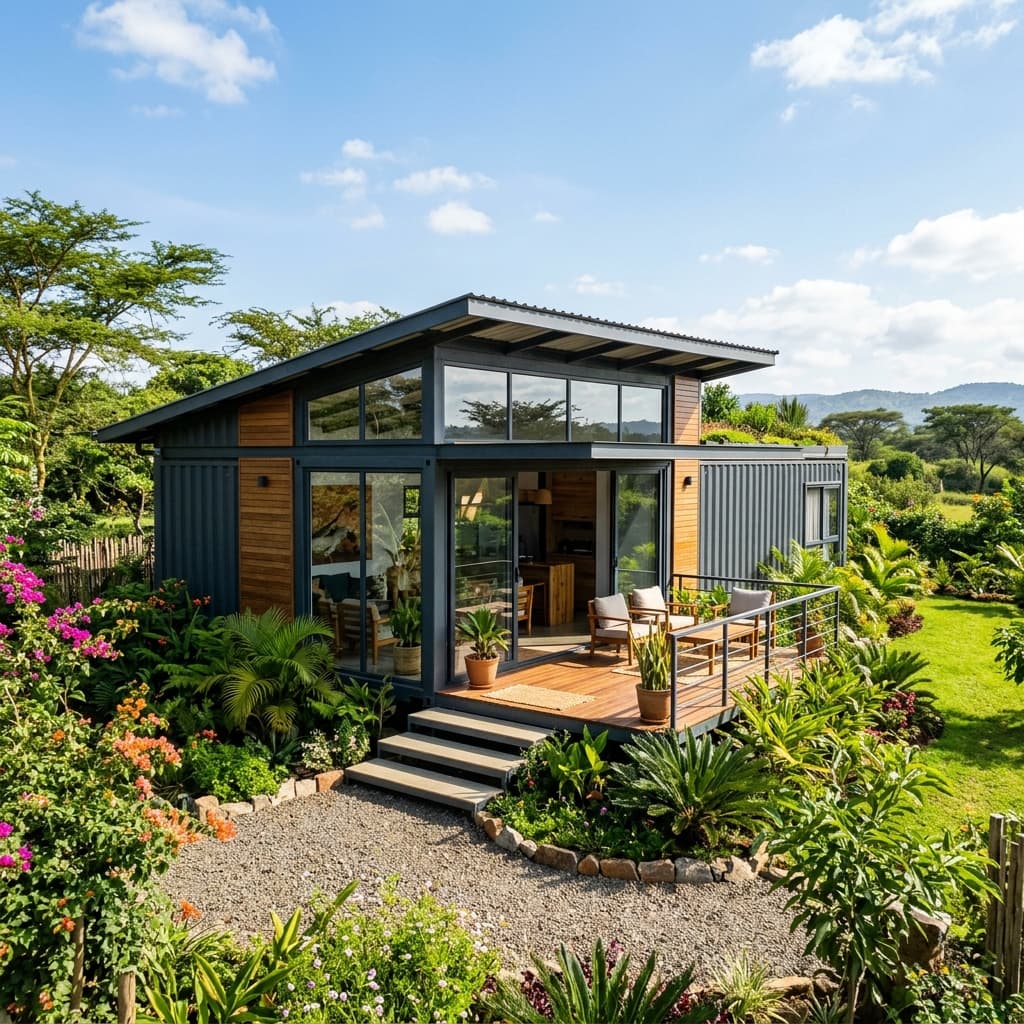 2 June 2025
How much does a container home cost in Kenya?
Dreaming of a unique, affordable, and stylish home in Kenya? A container home could be your answer! Shipping containers are strong, eco-friendly, and can be transformed into beautiful living spaces. But how much does a container home cost in Kenya?
Read Article