Container Home Interior Design Ideas Kenya: Inspiration Guide 2026
Container home interiors in Kenya have evolved from basic industrial spaces into some of the most stylish, creative homes in the country. The constraints of the container's dimensions — narrow width, long length, fixed ceiling height — have driven designers and homeowners toward clever solutions that often look better than a conventional house with unlimited space. This guide is your inspiration toolkit: colour palettes, furniture choices, storage ideas, and outdoor design strategies that work specifically for Kenyan container homes.
Need an exact quote? Call us now.
We answer container questions 24/7.
Colour Schemes That Make Container Homes Feel Spacious
Colour is the cheapest and highest-impact design tool in a container home. The right palette makes a 14 sqm bedsitter feel airy and open. The wrong one makes a 25 sqm 1-bedroom feel cramped.
The classic: White and warm grey Pure white ceilings and light grey walls (Dulux Mist or Crown Chalk Grey equivalent) are the most popular choice in Kenyan container homes because they: - Reflect maximum natural light, making the space feel brighter and larger - Create a neutral backdrop that works with any furniture style or colour - Feel clean and modern — the interior feels like a Scandinavian apartment - Are easy to repaint without showing previous colour bleed-through
The warm palette: Cream, sand, and terracotta For a more African, earthy feel, cream walls with terracotta accent cushions and warm timber furniture create a grounded, warm interior. This works particularly well in homes with a timber-effect exterior cladding.
The bold accent approach One bold feature wall (a deep forest green, charcoal, or navy blue) in the living room or bedroom, with the remaining walls in white or light grey. The single bold wall creates visual depth — tricking the eye into seeing greater length in the room — while keeping the overall space feeling bright.
What to avoid: - Dark walls throughout: They absorb light and make small spaces feel like caves - Multiple different colours in one room: Visual clutter amplifies the sense of smallness - High-gloss paint on walls: Reflects imperfections in the plywood or cement board wall lining. Eggshell or satin finish is better for walls; semi-gloss is fine for woodwork and doors
Clever Storage: Built-In and Bespoke Solutions
Storage in a container home requires thinking in three dimensions — not just floor area, but all the wall space from floor to ceiling.
Platform bed with integrated storage: A timber platform bed frame built at 400–500mm height with drawer units underneath is one of the most transformative storage additions. Under a standard king-size bed (1.8m × 2.0m) you gain approximately 1.4 cubic metres of storage — enough for all your linen, off-season clothes, and stored goods.
Floor-to-ceiling wardrobe alcoves: Rather than a freestanding wardrobe that takes up floor space, build a wardrobe alcove across the full width of one container end wall. With hanging rails at two heights and shelving above, you get the equivalent of a walk-in wardrobe footprint in 60–80cm depth.
Open kitchen shelving: Replace upper kitchen cabinets with open floating shelves (25–30cm deep timber or steel) from the counter level to the ceiling. Open shelves create visual lightness compared to the heavy visual mass of closed overhead cabinets, and they keep the kitchen feeling open. Display your best crockery and glasses; store less attractive items below the counter.
Bench seating with storage: A built-in bench along one wall of the dining area (with hinged seat lid opening to a storage chest below) provides dining seating and stores table linens, seldom-used kitchen equipment, or children's toys. Custom-built cost: Kshs 15,000–30,000.
Hallway shelf towers: Narrow hallway spaces (the connector zone between containers or the entrance passage) can have tall, narrow shelf towers (25–30cm deep) from floor to ceiling for books, display items, and miscellaneous storage. These create a "library hallway" effect that is both functional and visually interesting.
Loft Beds, Murphy Beds, and Space-Saving Furniture
For bedsitter and 1-bedroom container homes where every square metre counts, the furniture you choose can effectively double your usable daytime space.
Loft bed (raised platform sleeping area): A custom loft bed built at 1.6–1.8 metres height in a High Cube container (internal ceiling height 2.7m) leaves approximately 1.0m of height below the sleeping platform — enough to use as a desk, sofa alcove, or compact wardrobe. The sleeping area is reached by a short ladder or ship's stairs. This is extremely popular in bedsitter builds and effectively separates sleeping from living without requiring a partition wall.
Loft bed framework (timber or steel, custom built): Kshs 15,000–35,000 depending on material and complexity.
Murphy (wall-fold) bed: A Murphy bed folds flat against the wall during the day, making the bedroom floor area fully usable as a living room or workspace. At night, it folds down in under 30 seconds. Imported Murphy bed mechanisms are available from furniture stores in Nairobi at Kshs 20,000–50,000, fitted by a local carpenter.
Fold-down dining table: A wall-mounted fold-down dining table (hinged, supported by fold-out legs when in use) fits 2–4 people when folded out and takes zero floor space when folded flat. Excellent for bedsitters where a permanent dining table would dominate the room. Custom built in timber: Kshs 8,000–18,000.
Sofa-beds and ottoman storage: A 3-seater sofa-bed (folds out to a full double bed) serves as both seating and a guest bed. Storage ottomans serve as footrests, coffee tables, and storage simultaneously. Both are practical furniture choices that maximise function per square metre.
Wall Panelling, Textures, and Materials
The interior walls of a container home are typically faced with 9mm plywood or 8mm fibre cement board — surfaces that are flat, paintable, and accept standard fasteners (hooks, shelves, picture rails) without any special fixings.
Using these surfaces creatively creates beautiful interiors:
Tongue-and-groove timber panelling: Real timber shiplap or tongue-and-groove boards installed vertically (floor to ceiling) or horizontally (dado height upward) on one or two feature walls create a warm, textured character that softens the industrial container aesthetic. Mvuli pine or cypress boards are affordable and local. Coverage cost: Kshs 600–1,200 per square metre installed.
Cement/micro-topping finish: A thin skim of textured micro-cement (2–3mm) applied over the plywood wall lining creates a raw, industrial-chic finish inspired by Japanese wabi-sabi aesthetic. Very popular in contemporary Kenyan container homes. Application requires a skilled plasterer. Cost: Kshs 800–1,500 per sqm.
Wallpaper: High-quality wallpaper (Kshs 2,000–6,000 per roll) creates a rich visual effect on a single feature wall. The smooth surface of fibre cement board is ideal for wallpaper. Botanical prints, geometric patterns, and abstract textures are all popular choices.
Exposed steel: Leaving sections of the container's corrugated interior steel exposed (rather than lining them) creates a powerful industrial statement. This works best as an accent — one corrugated steel wall facing painted walls — rather than throughout the whole home. The corrugations create interesting shadow patterns as daylight moves across them.
Open-Plan Kitchens: The Container Kitchen Done Well
The kitchen is the most important room to design well in a container home. In a 1-bedroom or 2-bedroom container home, the kitchen is typically open to the living and dining area — making it the visual and functional heart of the home.
L-shaped kitchen (in a wider container or connector zone): If your container layout allows a slightly wider kitchen zone (using a connector space), an L-shaped kitchen gives you counter space on two walls and a natural triangular work zone (fridge–sink–cooker). This is the most ergonomic kitchen layout.
Galley kitchen (single-wall, standard in a 2.35m wide container): A galley kitchen — all appliances and counter space along one long wall — is the default in a single-container width. Done well, it can be very elegant: a continuous run of cabinetry and counter with overhead open shelving creates a clean, uninterrupted line.
Kitchen island / breakfast bar: In a 1-bedroom or larger home with an open-plan living-kitchen area, a small island unit (90cm × 60cm) with seating on one side serves as both meal prep surface and informal dining for 2. It also visually defines the kitchen zone without a wall. Custom island in timber or waterproof board: Kshs 20,000–45,000.
Material choices that work: - Countertop: Granite-effect laminate (Kshs 1,500–2,500 per sqm, easy to maintain) or real granite (Kshs 4,000–8,000 per sqm, premium). Avoid wood countertops in Kenya's humid climate unless properly oiled and sealed. - Cabinet fronts: Moisture-resistant MDF with paint finish (Kshs 600–1,200 per linear metre) or a mix of painted lower cabinets and open upper shelves - Splashback: White or grey subway tiles (Kshs 800–1,500 per sqm) are affordable, easy to clean, and look sharp
Outdoor Decks, Green Roofs, and Exterior Design
The exterior and outdoor spaces of a container home are an extension of the interior — and in Kenya's climate, often more usable than the interior.
The front deck / verandah: A covered timber deck at the entrance (2–3m deep) with a shade structure (bamboo poles and woven palm/reed shading, or a metal sheet roof with a wide overhang) is the most popular outdoor addition in Kenya. Cost: Kshs 40,000–80,000. This single addition transforms the container home's appearance and makes it a social hub — the Kenyan equivalent of the front porch.
The outdoor kitchen or cooking area: Many Kenyan families prefer to cook outdoors or in a separate kitchen annex. A simple L-shaped outdoor kitchen unit (concrete block bench with a tiled surface, space for a 3-stone fire or jiko, and a simple roof) attached to the back or side of the container is practical, keeps heat and smoke out of the living space, and is traditional in Kenyan culture.
Green roof: The flat top of a container is ideal for a planted roof (sedum, grass, or low-growing plants in a lightweight growing medium). Benefits: - Insulates the container roof (reduces heat gain significantly) - Manages rainwater (slows runoff, reduces splash on walls) - Looks beautiful and supports biodiversity - Adds negligible extra structural load (a 100mm green roof layer weighs approximately 100–150 kg/m², well within the container's load capacity) Cost of a basic green roof system: Kshs 50,000–150,000 for a 40ft container roof.
Vertical garden walls: A wooden or steel pallet frame planted with succulents, herbs (basil, coriander, rosemary), and ornamental plants creates a living wall feature on the exterior. Cost: essentially free if you use reclaimed pallets and propagate plants from a nursery.
Lighting for outdoor atmosphere: Solar-powered warm-white LED string lights (Kshs 1,500–3,000) strung across the deck or around the porch create an inviting evening atmosphere. Low-voltage path lights from the gate to the door add both safety and kerb appeal.
Frequently Asked Questions
What are the best interior design ideas for a container home in Kenya?+
The most impactful ideas are: light colour schemes (white or warm grey) to maximise the sense of space, floor-to-ceiling built-in storage, a platform or loft bed, open kitchen shelving, at least one timber or textured feature wall, and a covered front deck that extends the living space outdoors.
How do I make a small container home feel bigger?+
Use light colours throughout, maximise natural light with well-placed windows, keep long sightlines clear from front to back, use wall-mounted and multi-function furniture, and extend the living space outdoors with a covered deck.
What flooring works best in a container home in Kenya?+
Porcelain or ceramic tiles are the most practical for Kenya's climate — easy to clean, cool underfoot, and durable. Vinyl plank flooring is a budget-friendly, comfortable alternative that looks like timber. Genuine timber floors look beautiful but need regular maintenance in humid conditions.
Can I hang pictures and shelves on container home walls?+
Yes. Interior walls are faced with plywood or fibre cement board during fabrication, giving you a standard surface that accepts picture hooks, shelf brackets, and standard fasteners. For heavy shelves, use longer screws that penetrate into the timber framing behind the lining.
How much does it cost to furnish a container bedsitter in Kenya?+
A basic but functional furniture package for a bedsitter (bed, sofa/loveseat, small dining table, kitchen essentials) can be assembled for Kshs 40,000–80,000 from Nairobi's furniture markets. A mid-range furnished bedsitter costs Kshs 80,000–150,000.
Are green roofs practical for container homes in Kenya?+
Yes — particularly in Nairobi and the highlands where rainfall is reliable. A planted green roof insulates the container roof, manages rainwater, looks beautiful, and adds negligible weight relative to the container's capacity. Basic green roof systems cost Kshs 50,000–150,000 per container.
Ready to Buy?
Call or WhatsApp us for pricing on any container product in Kenya.
Related Guides
Container Guides & Insights
Expert advice on prices, buying, and building with shipping containers across Kenya.
 24 May 2025
How Much is the Cost of Used Shipping Container in Kenya
Are you thinking about buying a used shipping container in Kenya? It’s a smart move for many needs, from storage to building unique spaces. But the first question on everyone’s mind is: “How much will it cost?” Read on to find out.
Read Article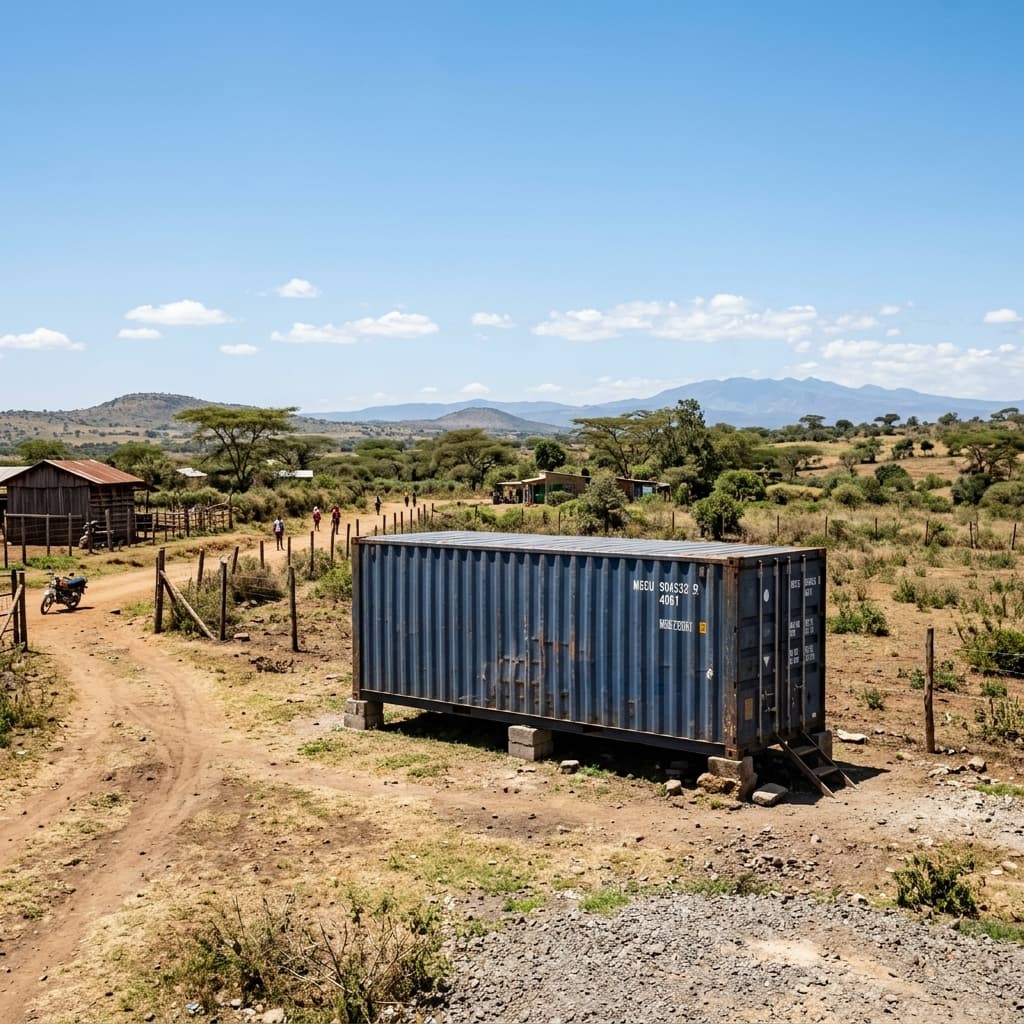 24 May 2025
How Much is the Price for a 40ft Shipping Container in Kenya?
Are you looking to buy a 40ft shipping container in Kenya? This is a popular choice for many projects, from big storage needs to building spacious container homes or offices. One of the first questions people ask is about the price.
Read Article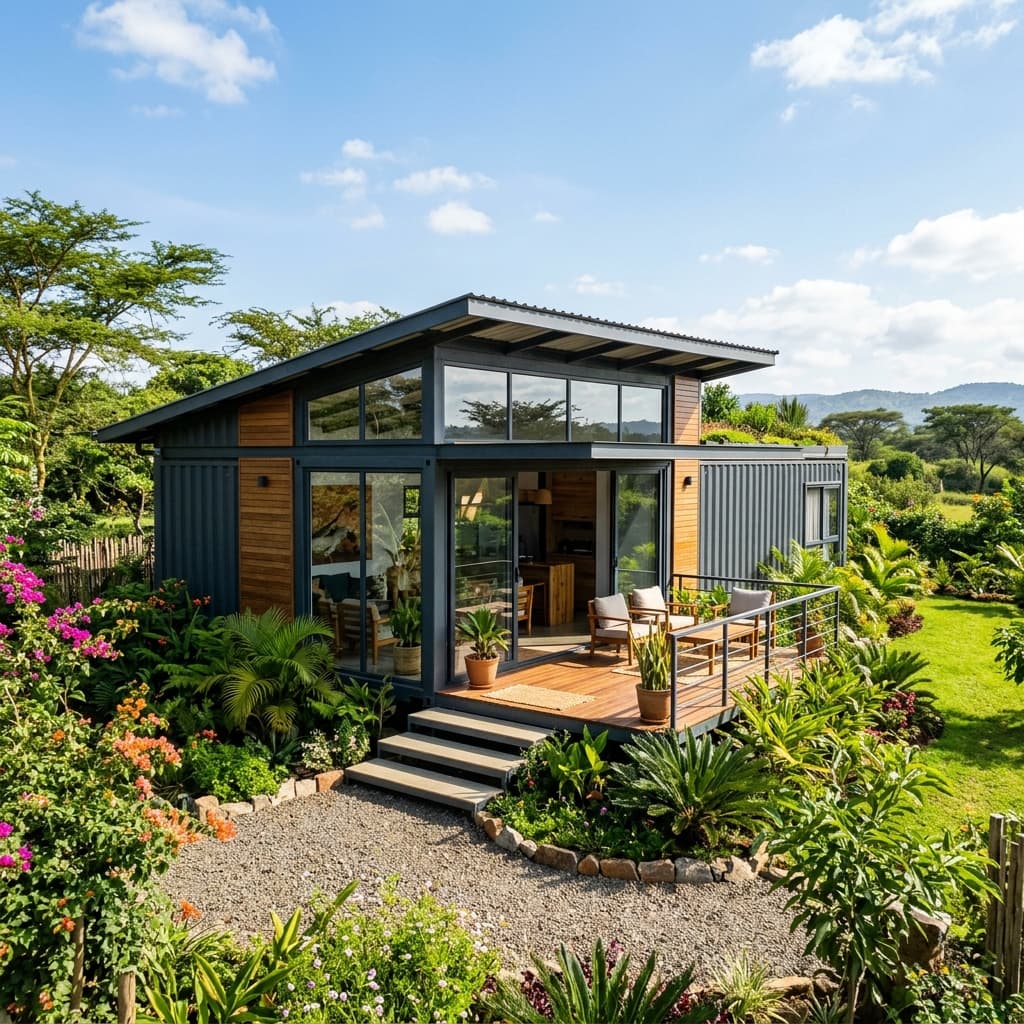 2 June 2025
How much does a container home cost in Kenya?
Dreaming of a unique, affordable, and stylish home in Kenya? A container home could be your answer! Shipping containers are strong, eco-friendly, and can be transformed into beautiful living spaces. But how much does a container home cost in Kenya?
Read Article