Container Home vs Timber Frame House in Kenya: 2026 Comparison
Timber frame and steel container construction are both alternatives to conventional brick in Kenya's housing market, and they are often considered by the same buyers: people who want faster, more affordable, more flexible construction. But they are very different materials with very different strengths and weaknesses. This guide gives you the honest comparison.
Need an exact quote? Call us now.
We answer container questions 24/7.
What is a Timber Frame House in Kenya?
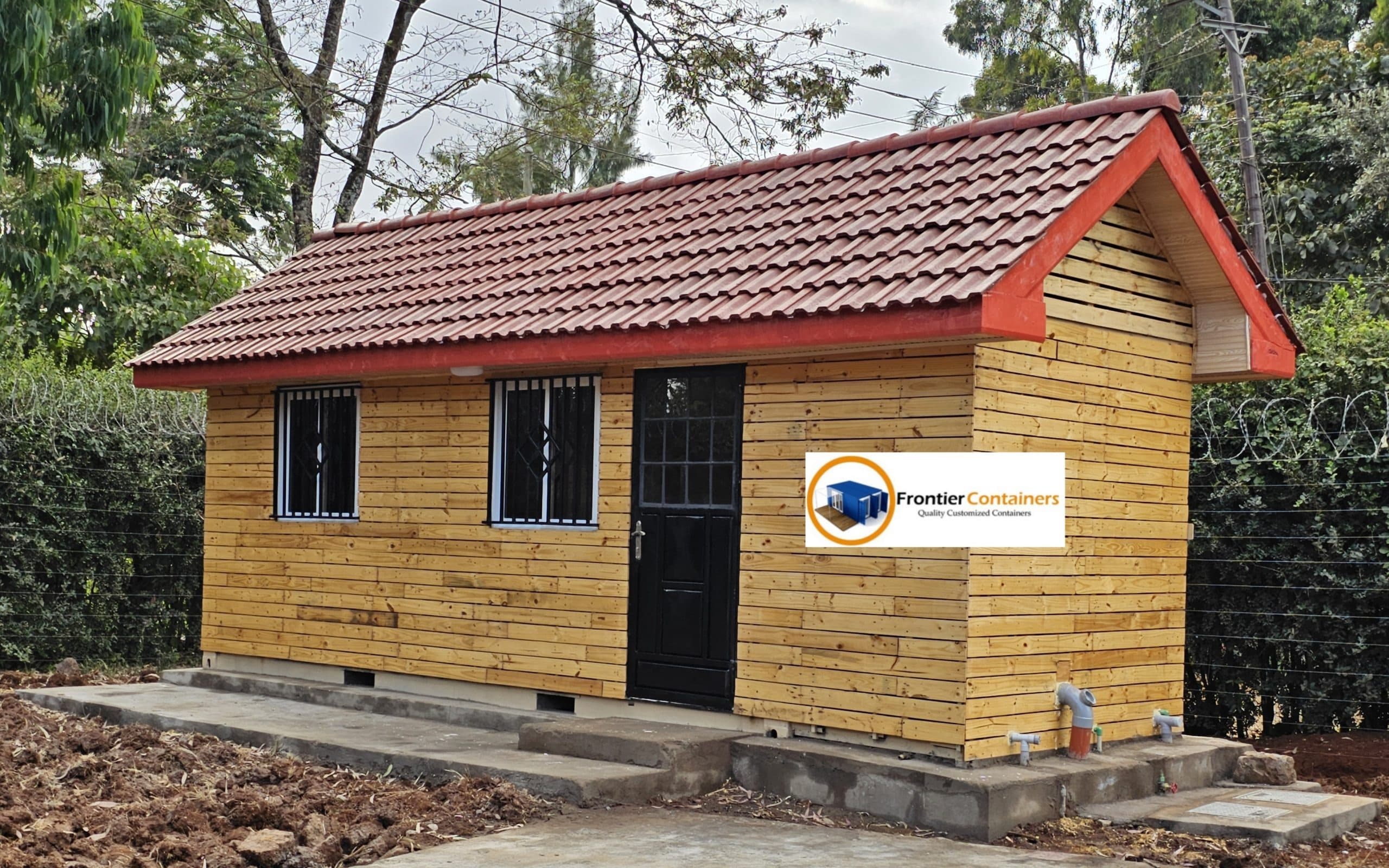
A timber frame house (also called a wood frame or balloon frame structure) uses a structural skeleton of timber (typically 2×4 or 2×6 inch sections) to carry the load of walls, floors, and roof. The structural frame is then clad externally (with timber boards, metal cladding, or cement fibre sheets) and lined internally (with plywood or gypsum board).
Timber frame construction is widespread in rural Kenya and growing in popularity in peri-urban areas as a faster, cheaper alternative to brick. Pre-fabricated timber panel systems are increasingly available.
Typical cost of a timber frame 2-bedroom house in Kenya: - Labour-intensive, site-built: Kshs 800,000–1,400,000 - Pre-fabricated panel system: Kshs 1,100,000–1,700,000
Container home equivalent (2-bedroom, two 40ft containers): Kshs 1,700,000–2,200,000
At first glance, timber frame appears cheaper. But the full comparison requires looking at durability, lifespan, and long-term maintenance costs.
Cost Comparison: Container vs Timber Frame
Initial build cost: Timber frame is typically 10–25% cheaper than a container home of the same floor area for the initial construction. This is the most significant advantage of timber frame. However, it is important to understand what this cost difference buys you:
Lifespan and replacement cost: A timber frame house in Kenya, without aggressive pest management, typically shows significant structural degradation within 15–25 years (termite damage, moisture rot in joists and plates). A container home built with Corten steel has a structural life of 30–50+ years with minor maintenance.
Maintenance cost comparison (over 20 years): - Timber frame: Annual pest treatment (Kshs 8,000–15,000/year) + structural timber replacement every 10–15 years (Kshs 80,000–200,000 per event) + external cladding replacement - Container home: Annual paint inspection + repaint every 5–7 years (Kshs 15,000–35,000/event)
Total cost of ownership (20-year horizon): Container homes and timber frame homes often arrive at similar total costs, with the timber frame's lower initial price offset by higher ongoing maintenance.
Durability and Structural Strength
Container homes: - Corten steel structural strength: 470 MPa tensile strength — the same frame carries stacked containers nine high at sea - Does not warp, twist, or settle like timber - Negligible structural degradation in a well-maintained container over 30 years - Ground movement resilience: The rigid steel frame tolerates differential settlement better than a timber-jointed frame
Timber frame: - Well-designed timber frame is surprisingly strong, but it depends on joint quality and lumber grade - Vulnerable to long-term warping and twisting, particularly in Kenya's highland humidity variations (dry season to wet season cycling) - Joints can loosen over time, reducing structural stiffness - Very high quality timber (Cypress or Mvule hardwood) is durable, but most affordable timber housing in Kenya uses lower-grade softwood
Verdict: Container homes have a clear advantage in structural durability over a 20–30 year horizon, especially with Kenya's variable humidity and in coastal areas.
Pest Resistance: Containers Win Clearly
This is the most decisive advantage of container homes over timber frame in Kenya.
Termites (white ants) are one of the most destructive pests in Kenyan construction. Kenya has multiple aggressive termite species including *Macrotermes*, whose colonies can devastate an unprotected timber structure within 5–10 years. Once termites are established in a timber structure, eliminating them is extremely difficult and the structural damage is irreversible without major timber replacement.
Container home: Termites cannot eat Corten steel. The container shell, floor frame, and corner posts are 100% steel and completely impervious to termite attack. There is simply nothing for them to consume.
Timber frame: Extremely vulnerable. Even pressure-treated timber loses its chemical protection within 10–15 years. In Kenya's termite-active soils (very common across the country), a timber frame house needs: - Initial pressure treatment (adds Kshs 20,000–50,000 to cost) - Annual chemical soil treatment around the perimeter (Kshs 8,000–15,000/year) - Regular inspection for early infestation signs - Ongoing vigilance
The cumulative cost of termite management in a timber frame house over 20 years is Kshs 160,000–300,000. The psychological cost of worrying about structural failure is additional.
Fire ants and wood-boring beetles also attack timber structures. Neither poses any risk to a steel container home.
Fire Resistance
Timber frame: Timber is combustible. In a fire, a timber frame structure will burn. While fire-retardant treatments can slow this, a fully involved fire in a timber frame house destroys the structure. Insurance claims for fire damage are significantly higher for timber frame than steel or brick structures.
Container home: The Corten steel shell is non-combustible. The interior of a container home includes combustible materials (insulation, timber floors, furniture, plywood lining), but the structural frame will not burn. In a fire that is contained to the interior, the steel shell constrains the fire, protects neighbouring structures, and leaves the frame intact for rebuilding.
Insurance: Some Kenyan insurers offer lower premiums for steel-framed homes versus timber frame, recognising the lower fire risk. Container homes are typically classified with brick/concrete buildings rather than timber for fire risk purposes.
Practical advice: Regardless of construction type, install smoke alarms and a dry powder fire extinguisher. For container homes, ensure that the insulation type is not combustible — polystyrene (EPS) foam is combustible and should not be used. The preferred closed-cell spray foam (polyurethane) is Class B fire-rated and does not self-support combustion.
Moisture, Sustainability, and Verdict
Moisture management: Timber frame is susceptible to moisture-related problems: rot in untreated or inadequately treated members, mould in poorly ventilated wall cavities, and fungal attack in the floor joists. In Kenya's highland areas with two rainy seasons, moisture management in timber frame construction requires careful detailing.
Container homes, with spray foam insulation providing a vapour barrier, have fewer moisture pathways. The main moisture risk is at penetration points (windows, pipes) and roof seams — manageable with annual silicone seal inspection.
Sustainability: This is a nuanced comparison: - Timber frame: Uses renewable resources if responsibly sourced, but Kenya's forests have been severely depleted and most structural timber is from poorly managed sources or imported. Timber construction does sequester carbon in the structure. - Container home: Uses recycled steel (retired shipping containers). The container has already done its service life at sea — repurposing it as a home avoids the energy cost of melting it down and the environmental cost of new construction materials.
The recycled nature of shipping containers gives them a strong sustainability argument in the Kenyan context, where timber sourcing is often environmentally problematic.
Overall verdict: - Choose timber frame if: Budget is the primary driver, you have access to high-quality treated timber, and the structure is for short-to-medium term use (10–15 years) - Choose container home if: Longevity, pest resistance, and structural reliability are priorities; you are in a termite-active area; you want a permanent family home or a long-term rental investment; or you value the modular expansion capability
Container vs Timber Frame — Comparison Table
For a standard 2-bedroom residential build in Kenya, 2026.
💡 These are indicative ranges. Call us for your exact quote: 0715 557 559
Frequently Asked Questions
Is a container home better than a timber frame house in Kenya?+
For a permanent, long-term home in Kenya, container homes are generally better due to superior pest resistance (termites), longer structural life, better fire resistance, and lower long-term maintenance cost. Timber frame is cheaper upfront but costs more over a 20-year horizon.
Are container homes termite-proof?+
Yes. The Corten steel structure of a container home is completely immune to termite attack. There is no timber in the structural frame for termites to consume. This is one of the most compelling advantages of container homes over timber frame in Kenya's termite-active soil conditions.
Which is faster to build — container home or timber frame?+
Both are significantly faster than brick. A timber frame house can be framed and enclosed in 4–8 weeks; a container home takes 6–10 weeks. Both are much faster than brick's 9–18 months. The container has a slight time disadvantage but is stronger and longer-lasting.
Can a timber frame house last as long as a container home?+
A timber frame house built with high-quality hardwood (Cypress or Mvule), properly treated, and meticulously maintained can last 30–50 years. However, this requires consistent pest treatment and moisture management that adds significantly to long-term costs. A container home is more forgiving.
Which is safer from fire — container home or timber frame?+
Container homes are safer in the event of fire. The Corten steel shell is non-combustible. A timber frame structure will burn. Container home insurance typically reflects this lower fire risk.
Ready to Buy?
Call or WhatsApp us for pricing on any container product in Kenya.
Related Guides
Container Guides & Insights
Expert advice on prices, buying, and building with shipping containers across Kenya.
 24 May 2025
How Much is the Cost of Used Shipping Container in Kenya
Are you thinking about buying a used shipping container in Kenya? It’s a smart move for many needs, from storage to building unique spaces. But the first question on everyone’s mind is: “How much will it cost?” Read on to find out.
Read Article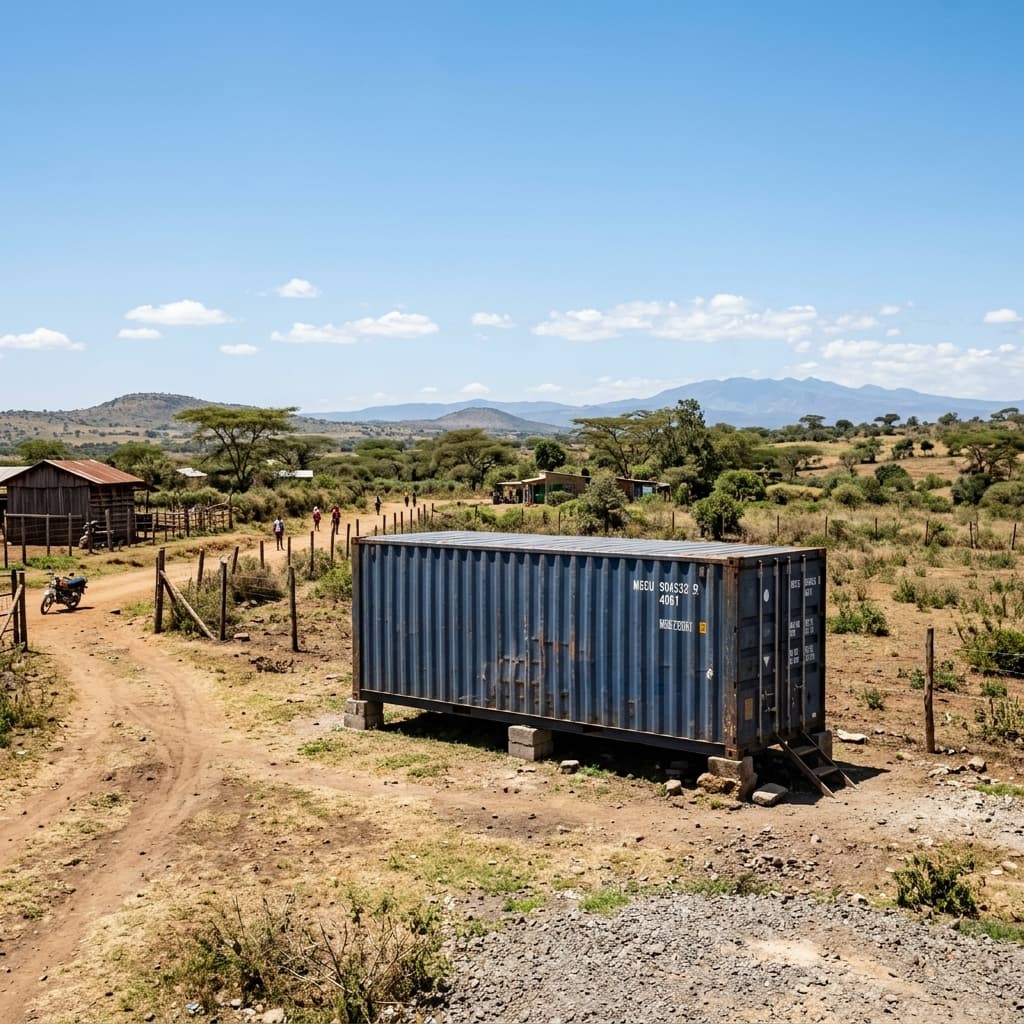 24 May 2025
How Much is the Price for a 40ft Shipping Container in Kenya?
Are you looking to buy a 40ft shipping container in Kenya? This is a popular choice for many projects, from big storage needs to building spacious container homes or offices. One of the first questions people ask is about the price.
Read Article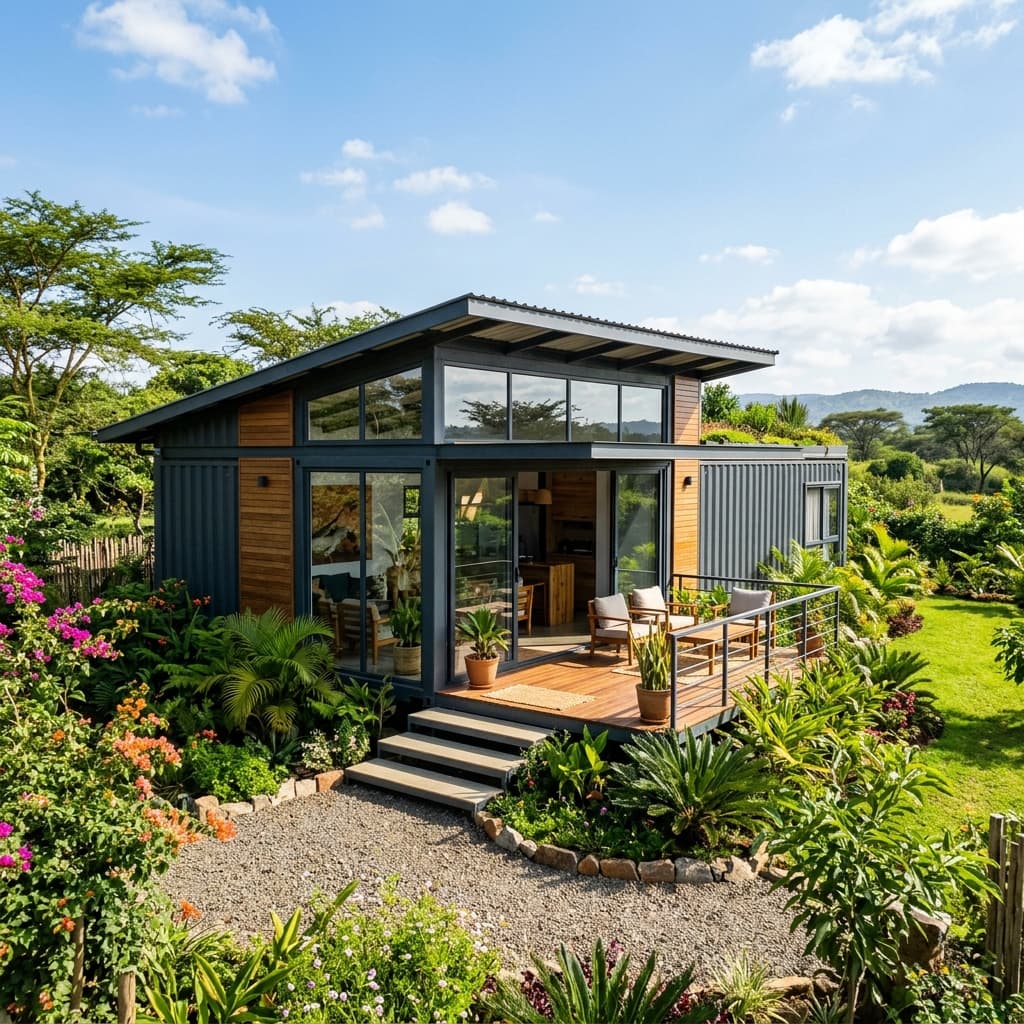 2 June 2025
How much does a container home cost in Kenya?
Dreaming of a unique, affordable, and stylish home in Kenya? A container home could be your answer! Shipping containers are strong, eco-friendly, and can be transformed into beautiful living spaces. But how much does a container home cost in Kenya?
Read Article